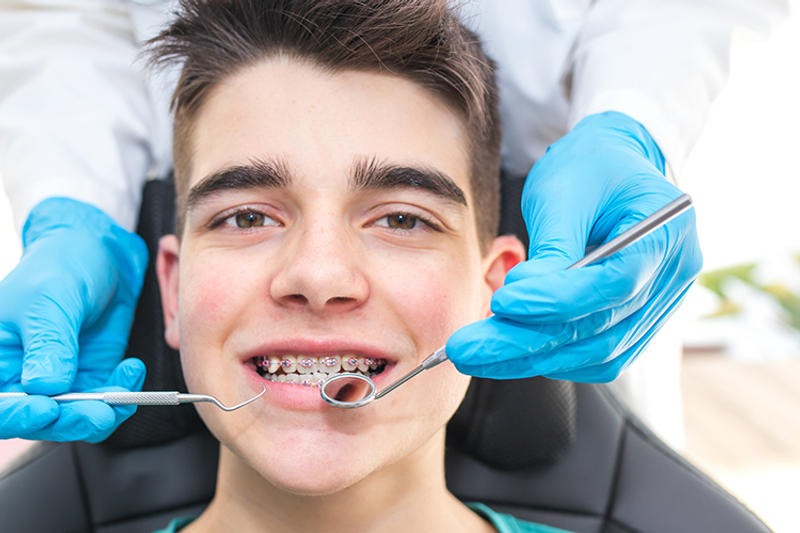
Getting braces is a real commitment. You’re investing months, sometimes years, into moving your teeth into their best position. How you look after them day to day has a direct impact on where you end up. Good braces care isn’t complicated, but it does need to be consistent.
This guide covers what actually matters, from cleaning habits to foods to watch out for.
Why Proper Braces Care Matters
Preventing Tooth Decay and Gum Disease
Brackets and wires give plaque a lot more places to hide. Without thorough daily cleaning, bacteria build up fast, raising your risk of cavities, gum inflammation, and white spot lesions. Those permanent dull patches can appear on enamel after prolonged plaque exposure, and they’re one of the more frustrating outcomes of treatment that’s easy to avoid.
Protecting Brackets and Wires
Orthodontic hardware is built to last, but it’s not indestructible. A broken bracket or bent wire causes more than discomfort. It can slow treatment down and add appointments you didn’t plan for. Following your orthodontist’s care instructions prevents most of this damage.
Helping Your Teeth Move as Planned
Tooth movement depends on healthy bone and gum tissue around each tooth. When gums are inflamed from poor hygiene, they respond less predictably to orthodontic forces. Healthy tissue is what keeps treatment on schedule.
Maintaining a Healthy Smile During Treatment
The whole point of braces is a healthier, better-looking smile. That outcome comes a lot easier when your teeth and gums stay in good shape the entire time your braces are on.
Build a Daily Braces Care Routine
Brush After Every Meal
Food debris settles around brackets fast. Brushing after meals, before it hardens into plaque, makes a real difference. Use a soft-bristled toothbrush or an electric brush with an orthodontic head, and clean above and below each bracket as well as along the gumline.
Floss Every Day
Flossing takes longer with braces, but skipping it lets plaque build up in spots your toothbrush can’t reach. Floss threaders, orthodontic floss, and water flossers all work well. Find what fits your routine and stick with it.
Use Fluoride Toothpaste
Fluoride protects your enamel during the months when cleaning is more challenging. Brush for at least two minutes with a fluoride toothpaste your dental provider recommends.
Rinse with an Antibacterial Mouthwash
An alcohol-free antibacterial mouthwash reaches around brackets and wires in ways brushing alone can’t. It also helps control bacteria between brushing sessions and keeps your breath fresher throughout the day.
Foods to Eat and Foods to Avoid with Braces
Soft, nutrient-rich foods make life a lot easier. Think yogurt, eggs, pasta, cooked vegetables, soft fruits, soups, fish, and rice. They’re great choices, especially in the days right after an adjustment.
Hard, sticky, and chewy foods are the main cause of broken brackets. That means ice, popcorn, caramel, chewing gum, hard candy, nuts, and crusty bread. If something firmer is unavoidable, cut it into small pieces instead of biting in directly.
Some snack ideas that work well with braces: cheese, bananas, applesauce, smoothies, hummus with soft vegetables, cottage cheese, and soft whole-grain crackers.
Food Stuck Around Brackets
Rinse, then brush thoroughly. An interdental brush gets into tight spots, and keeping a small travel toothbrush in your bag solves the problem when you’re out and about.
Soreness After Adjustments
A couple of days of tenderness after an appointment is completely normal. Soft foods, warm salt water rinses, and over-the-counter pain relief (as recommended by your orthodontist) make it manageable.
Essential Tools for Cleaning Braces
A few items make consistent care much easier:
- A soft-bristled toothbrush
- Fluoride toothpaste
- Floss threaders
- Orthodontic floss
- Interdental brushes
- A water flosser
- Orthodontic wax for wire irritation
- An alcohol-free mouthwash
Mistakes to Avoid While Wearing Braces
These small habits tend to compound into bigger problems:
- Skipping your bedtime brush
- Chewing on pens or fingernails
- Using your teeth to open packaging
- Missing scheduled appointments
- Ignoring a loose bracket or poking wire
Small issues addressed early rarely turn into serious ones.
How Often Should You Visit Your Orthodontist?
Most patients come in every four to eight weeks, though your schedule depends on your specific treatment plan. These visits let your orthodontist monitor your progress, make wire adjustments, swap out elastics, and catch anything that needs attention before it causes delays.
Contact our office promptly if you have a loose bracket, a wire causing irritation, noticeable swelling, or anything that doesn’t feel right. Early attention prevents setbacks.
Braces Care Tips for Kids, Teens, and Adults
Kids often do best with a little parental supervision during brushing and flossing.
Teens can keep an oral hygiene kit in their backpack to use during school and activities.
Adults can tuck a travel-sized cleaning pouch into their bag or desk to stay consistent throughout a busy workday.
Can Poor Braces Care Delay Your Treatment?
Yes, and it happens more often than people expect. Broken brackets, missed appointments, and hygiene-related gum problems all slow tooth movement. Following your orthodontist’s instructions closely is the most straightforward way to finish on time.
Locations We Serve
We proudly provide orthodontic treatment for patients of all ages in:
- Westlake, OH
- Norwalk, OH
- Avon, OH
- Rocky River, OH
- North Olmsted, OH
Signs Your Braces Need Professional Attention
Schedule an appointment with your orthodontist if you notice:
- Loose brackets
- Protruding wires
- Persistent pain that doesn’t improve
- Swollen or bleeding gums
- A damaged orthodontic appliance
Final Thoughts
Braces are an investment in your long-term oral health, and the care you give them every day plays a big role in your results. Simple habits like brushing thoroughly, flossing regularly, making smart food choices, and keeping up with your appointments help keep your treatment on track. With consistent care and guidance from your orthodontist, you’ll be well on your way to a healthy, confident smile.