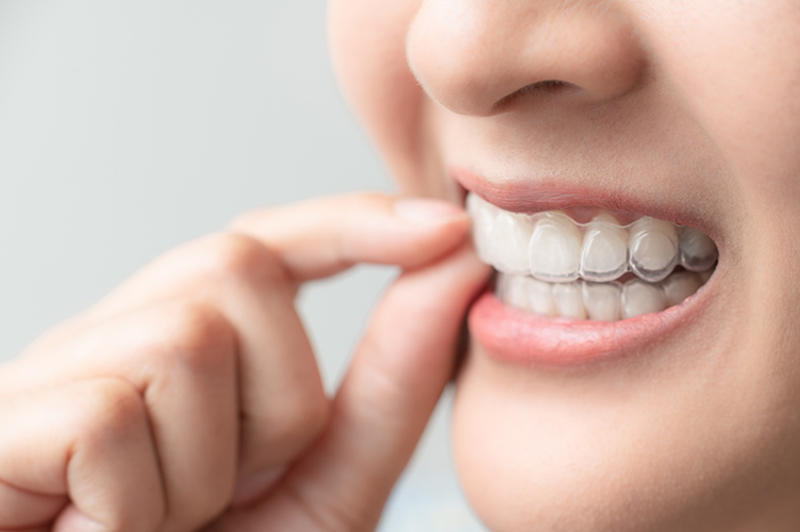
Clear aligners have changed how a lot of people experience orthodontic treatment. There are no brackets and no wires, just a smooth, nearly invisible tray that fits right over your teeth.
But here’s the thing: how well clear aligners work depends as much on how you care for them as it does on wearing them consistently. Neglect the cleaning routine, and you’ll end up with cloudy trays, bad breath, and a treatment timeline that slips. Stay consistent with your oral hygiene, and you’ll barely notice they’re there.
How Do You Clean Clear Aligners?
Every time you take your aligners out, give them a quick rinse under lukewarm water. This alone removes a lot of surface saliva and debris before it has a chance to settle.
For a proper clean, use a soft-bristled toothbrush, one you keep specifically for your aligners, along with a small amount of clear, unscented liquid soap or an orthodontist-recommended aligner solution. Scrub both surfaces gently, then rinse well before putting them back in.
One rule that matters more than people expect: never use hot water. Even a few seconds of high heat can warp the plastic and throw off the fit, and a poorly fitting aligner won’t move your teeth the way it should.
Why Cleaning Your Clear Aligners Is Important
Your aligners sit against your teeth and gums for up to 22 hours a day. That’s plenty of time for bacteria, plaque, and food particles to build up if the trays aren’t cleaned properly. Over time, this buildup doesn’t just cause odor. It can contribute to tooth decay and gum inflammation.
There’s also the visibility factor. Clear aligners are supposed to be discreet. Staining and cloudiness from poor hygiene make them far more noticeable, which works against the whole reason people choose them.
Your Daily Clear Aligner Cleaning Routine
Morning routine: Start by removing your aligners and rinsing them right away. Brush and floss before putting them back in. Placing clean aligners over unbrushed teeth traps bacteria against your enamel, so a quick clean at this stage also clears anything that built up overnight.
During the day: Take your aligners out before every meal or drink (water’s the only exception). When they’re out, keep them in their case, not a napkin or your pocket. Brush before reinserting if you can. If not, at minimum rinse your mouth well.
Evening routine: This is the most important clean of the day. Brush and floss thoroughly, then clean your aligners before bed. A clean mouth and clean trays overnight go a long way toward keeping bacteria down and your treatment on track.
Best Ways to Clean Your Clear Aligners
The safest approaches are also the simplest:
- Rinse aligners every single time they come out
- Brush gently with a soft, dedicated toothbrush
- Use clear, fragrance-free soap or an aligner-specific cleaner
- Soak occasionally in a cleaning solution made for removable orthodontic appliances
These methods keep the material clear without scratching the surface.
Cleaning Products to Avoid
Stick to gentle options. A few common products can seriously damage aligner plastic:
- Abrasive toothpaste (leaves micro-scratches that cloud the surface)
- Mouthwash with dyes or alcohol
- Bleach or household cleaners
- Hot or boiling water
- Colored soaps that can stain
Common Mistakes That Can Damage Your Clear Aligners
A few small mistakes come up again and again during treatment:
- Eating while wearing aligners (this cracks and stains them)
- Drinking coffee, tea, wine, or anything sugary with aligners in
- Leaving trays on a countertop or wrapped in a tissue, where they get lost or thrown away
- Skipping cleaning, even once, makes a difference
- Storing aligners in a hot car
How to Keep Your Clear Aligners Stain-Free and Odor-Free
The simplest strategy is removing your aligners before anything other than water passes your lips. Good oral hygiene, brushing, flossing, and staying hydrated, handles the rest.
Hydration actually matters here. A dry mouth creates more odor-causing bacteria, which then transfers to your trays.
How to Store Your Clear Aligners Properly
When your aligners aren’t in your mouth, they belong in their case. Pets, napkins, pockets, and countertops are responsible for more lost and damaged aligners than most patients expect. Keep the case handy, and make it a habit.
When Should You Replace or Contact Your Orthodontist?
If an aligner cracks, warps noticeably, no longer fits properly, or goes missing, contact our team. Don’t try to bend or reshape a damaged tray, and don’t keep wearing a compromised aligner. It can disrupt tooth movement and delay your treatment timeline.
Reach out, too, if your teeth aren’t tracking the way they should, or if you have questions about switching to your next set.
Locations We Serve
We proudly provide orthodontic treatment for patients of all ages in:
- Westlake, OH
- Norwalk, OH
- Avon, OH
- Rocky River, OH
- North Olmsted, OH
Final Thoughts
Clear aligners help you straighten your teeth without anyone really noticing. But they do need proper care to deliver the results you want. Follow a simple daily cleaning routine, keep up with good oral health, and handle your aligners gently to keep them clear.